Supplements for Arthritis
What May Actually Help Joint Pain, Stiffness & Inflammation?
Many patients ask if supplements are worth trying for arthritis. The honest answer is that some can be helpful, especially when paired with exercise, weight management, good sleep, and proper medical care. While no supplement can reverse severe arthritis or regrow worn cartilage, certain options may help reduce inflammation, improve comfort, and support joint function. The key is choosing evidence-based options and giving them enough time to work.
How to Think About Supplements for Arthritis
Supplements are best viewed as tools, not miracles. Some patients notice meaningful improvement, while others may notice little change. In general, the most successful approach is:
Use one to two quality supplements consistently
Give them 6–12 weeks when appropriate
Combine with strengthening, mobility work, and healthy weight management
Focus on reducing inflammation and improving function
Always consult with your primary care physician prior to starting any new medications or supplements
Tier 1: Best Starting Options
The Most Practical & Commonly Helpful Choices
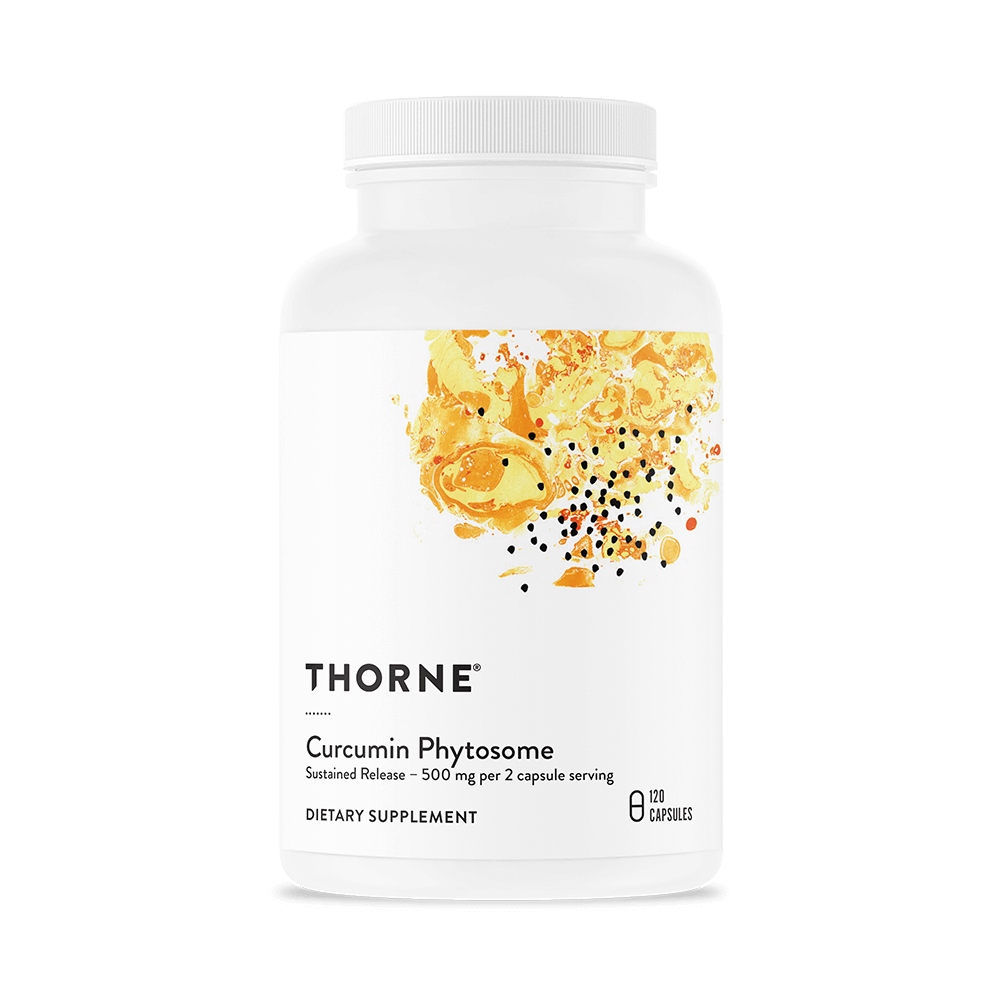
Curcumin (Turmeric extract)
Curcumin is one of the most studied natural anti-inflammatory supplements for joint pain. Some studies suggest symptom relief comparable to common over-the-counter medications in select patients.
May Help:
Knee arthritis pain
Morning stiffness
Swelling related discomfort
Typical Use:
Look for standardized curcumin extract with enhanced absorption (black pepper extract or phytosome forms).
Safety:
Gastrointestinal side effects are the most common, but occur at a lower rate than NSAIDs.
Evidence
Efficacy and safety of curcumin therapy for knee osteoarthritis: A Bayesian network meta-analysis
When Curcumin is compared head to head with NSAIDs (ibuprofen, diclofenac) there is equivalence in pain reduction, function, and quality of life after 4-6 weeks of use.
Curcumin was associated with fewer adverse events.
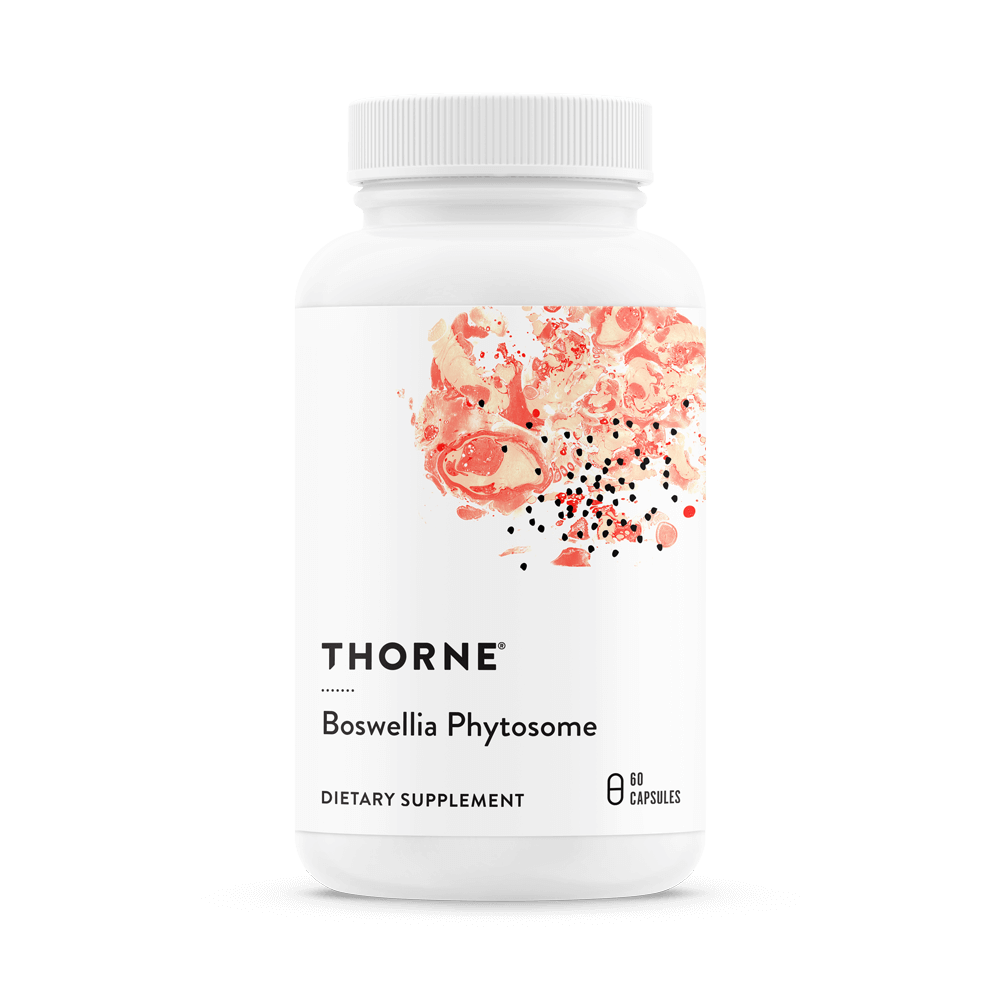
Boswellia Serrata Extract
Boswellia serrata is an herbal extract with natural anti-inflammatory properties that has gained increasing attention for arthritis and joint pain. Its active compounds, called boswellic acids, may help reduce inflammatory pathways involved in osteoarthritis. Some studies have shown improvements in pain, stiffness, and physical function in patients with knee arthritis.
May Help:
Knee arthritis pain
Joint stiffness
Walking tolerance and daily function
General inflammation-related joint discomfort
Best For:
Patients looking for a non-NSAID anti-inflammatory supplement, especially those who want to combine it with exercise, weight loss, or other joint-support supplements.
Commonly used in conjunction with Curcumin for added benefit
Evidence
Studies demonstrate improvement in:
WOMAC pain scores
Stiffness scores
Physical function measures
Visual analog pain scores (VAS)
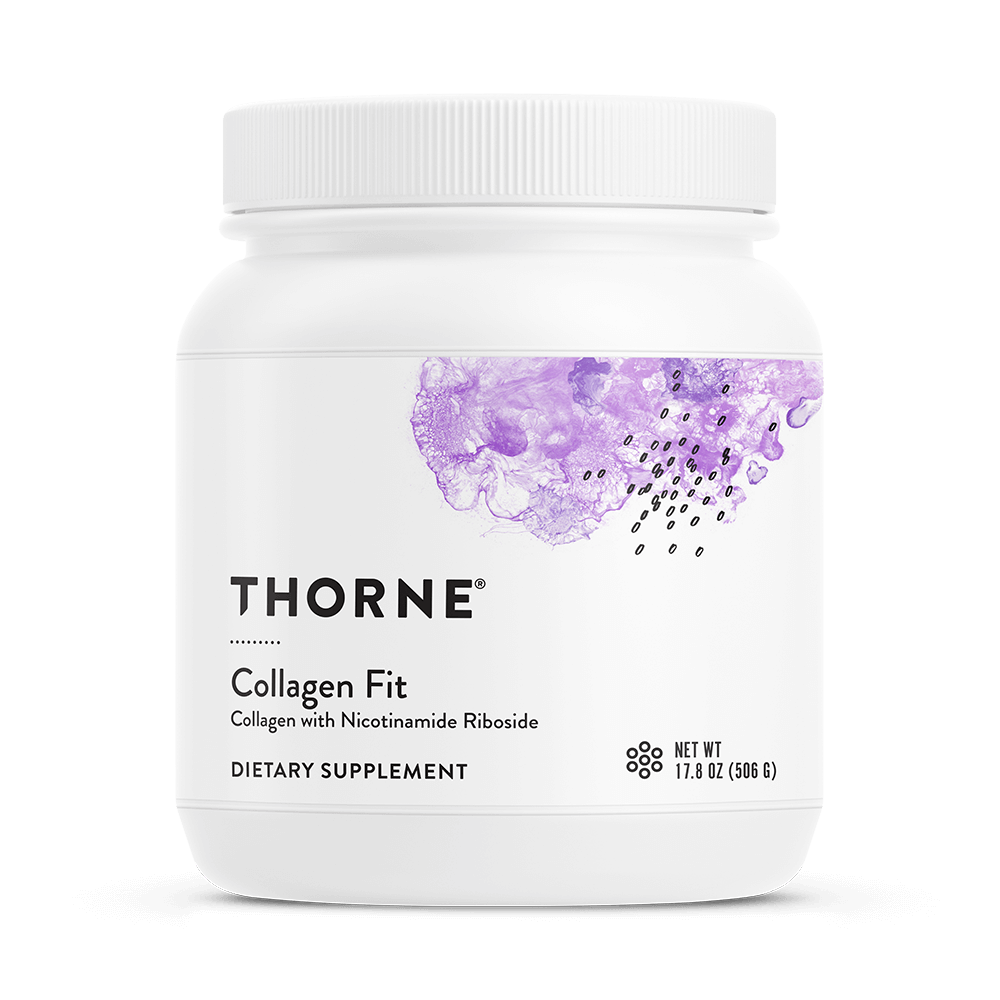
Collagen Peptides
Collagen is one of the primary structural proteins found in cartilage, tendons, ligaments, bone, and other connective tissues. Collagen peptide supplements provide amino acids that may help support joint tissues and overall musculoskeletal health. Research suggests some patients with osteoarthritis or activity-related joint pain may experience improvements in comfort and function with consistent use over time.
May Help:
Joint discomfort and stiffness
Activity-related knee pain
Exercise tolerance
Recovery after activity
General connective tissue support
Best For:
Patients with mild to moderate arthritis symptoms, active adults with joint soreness, or individuals looking for long-term joint support alongside exercise and strength training.
Evidence Summary:
Several studies have shown potential improvements in:
Joint pain during activity
Functional scores in osteoarthritis
Exercise-related discomfort
Cartilage support markers
Some research suggests collagen supplementation may stimulate cartilage-supporting cells and improve the balance of collagen turnover within joint tissues. Benefits are generally gradual and may take several weeks to months of consistent use.
Typical Use:
Most studies use:
10–20 grams daily of hydrolyzed collagen peptides
Often paired with vitamin C, which plays a role in collagen formation
Practical Notes:
Collagen is not a “cartilage regrowth” treatment, but may help support joint health and symptom management
Consistency matters more than high dosing
Often combined with exercise, adequate protein intake, and anti-inflammatory strategies for best results
Generally well tolerated with few reported side effects in most patients
Evidence
Efficacy and safety of collagen derivatives for osteoarthritis: A trial sequential meta-analysis
Dietary supplements for treating osteoarthritis: a systematic review and meta-analysis
Studies demonstrate:
Improvement in Pain and Function scores demonstrated at medium term follow up
Safety of use