
Surgery Information Center
This section of the website is specifically designed for preoperative patient eduction so that you can review important information prior to your surgery with Dr. Abildgaard.
Navigate the section by scrolling below, or skip to specific sections by clinking on the links listed below.
I recommend you take the time to review this information carefully to best prepare you for surgery and your recovery. Additional information for disease specific problems is listed on the website as well.
If your phone number changes, or if you decide to cancel or reschedule your surgery, please contact our surgery scheduler as soon as possible.
Jump to a section below:
SURGERY LOCATIONS
OrthoArizona Scottsdale Surgery Center
8405 N Pima Center Pkwy suite 102
Scottsdale, AZ 85298
Phone: 480-484-4211
Preparing for Surgery Checklist
This checklist covers general steps that apply to most elective surgeries. Specific instructions may vary depending on your procedure. You will receive more detailed guidance at your preoperative visit and from the surgery center. Please contact our office with any questions.
Preoperative Medical Clearance
Depending on your age and medical history, you may need clearance from your primary care physician or another specialist before surgery.
OrthoArizona does have medical providers that can help with this if patients prefer, just ask and we can help with arrangements.
Please ensure the clearance results are faxed to 480-833-2136 at least one week before your surgery date.
If results are not received in a timely manner, your surgery may need to be rescheduled or cancelled.
2-3 Weeks Before Surgery
This is the ideal time to complete several key steps so everything is in place closer to your surgery date.
Schedule your postoperative physical therapy.
It is your responsibility to schedule your first postoperative PT appointment. Our team will help by providing recommended therapists and assisting with the referral, but appointments fill quickly. Please begin arranging therapy now. Early therapy is important for recovery from most orthopedic procedures. Contact our office if you need help finding an appointment.
Confirm that your preoperative and postoperative clinic appointments are scheduled.
Maximize overall health
Smoking cessation is required for many surgeries, in general the less smoking, nicotice, vaping, tobacco/marijuana products utilized prior to surgery the better.
If you are pre-diabetic or diabetic, talk to your doctor about the best way to get your blood sugar under control and your heart, lung, kidney, and liver function as healthy as possible before surgery.
Uncontrolled diabetes can:
Slow the healing of bones, muscles, tendons, and/or skin
Increase your risk of infection
Review the medication checklist
Available on this website or provided by our office. Confirm exactly when to stop any medications or supplements. Note the specific stop dates for NSAIDs, aspirin, blood thinners, and supplements.
Ensure preoperative medical clearance has been completed or is scheduled.
Begin preparing your home for recovery:
Plan for meals after surgery (prepare or freeze meals in advance, arrange help with cooking, or stock easy-to-prepare options).
Clear rugs, cords, and other tripping hazards from walkways.
Place everyday items (medications, phone charger, water, snacks, remote, etc.) within easy reach so you can avoid unnecessary bending or reaching.
Obtain any needed shower aids, such as a shower chair, shower sling (if you will have limited arm use), or waterproof coverings for dressings or braces.
Consider starting a protein supplementation plan or a surgical nutrition supplement (such as Enroute or a similar high-protein option) to support healing, especially if your appetite or ability to prepare meals may be reduced after surgery.
Preoperative Appointment
Typically scheduled 1–2 weeks before surgery.
Used to review the surgical plan, postoperative care, medication management, answer questions about surgery, and obtain any bracing or prescribed equipment needed after surgery.
Please bring a list of your current medications and any questions you have.
Confirm that we have your preferred pharmacy on file so postoperative medications can be e-prescribed.
Week of Surgery
Pick up all prescriptions from your pharmacy.
Confirm that we have your preferred pharmacy on file. Open the bag and make sure you have everything you expect (pain medication, anti-nausea medication if prescribed, etc.). Do not take these medications until after surgery unless specifically instructed.
Purchase recommended over-the-counter items:
Acetaminophen (Tylenol) for pain.
Ibuprofen (Advil, Motrin) or another NSAID — only if your surgeon has approved its use after surgery (many patients are asked to wait until after surgery or for a set period).
A stool softener such as docusate (Colace). Narcotic pain medications commonly cause constipation; starting a stool softener when you begin opioids can help prevent problems. Some patients also find a mild laxative (such as MiraLAX or senna) helpful — ask our team if you have questions.
Cold Therapy Plan (Cryotherapy)
Dr. Abildgaard recommends an ice machine and/or an ice wrap for your post-surgical recovery. These ice options are not covered by most insurance companies. Patients should decide on what cold therapy is elected prior to the day of surgery as options can be obtained through OrthoArizona’s DME department ahead of time.
Confirm your arrival time with the surgery center/hospital.
You should receive a phone call the day before surgery. If you do not hear from them by 3 pm, call the surgery center directly at the number provided above.
Change and wash linens/bedsheets/towels
Obtain Surgical Skin Preparation and start as required (see below)
Finish any last home preparations (meals, clear walkways, easy-to-reach items, shower aids).
Get a good night sleep
Day of Surgery
Do not eat or drink anything after midnight (12am) the night before surgery
this includes chewing tobacco or any tobacco products/vaping/smoking
no chewing gum or mints
Bring a current list of medications and any remaining questions.
Bring any braces or slings you have been given. Crutches can usually be left in your car.
Wear loose comfortable clothing
Your driver must be available at check-in or reachable by phone.
Take any prescription medications your medical doctor has instructed you to take the morning of surgery with only a small sip of water.
Be sure to review the procedure specific postoperative instructions.
Following surgery, you will be in the recovery room for approximately 1 hour. Your driver will be contacted by nursing staff when you are ready for pickup and any additional instructions will be provided at this timeframe.
Pre-Surgical Skin Preparation
KNEE SURGERY
Instructions for Use
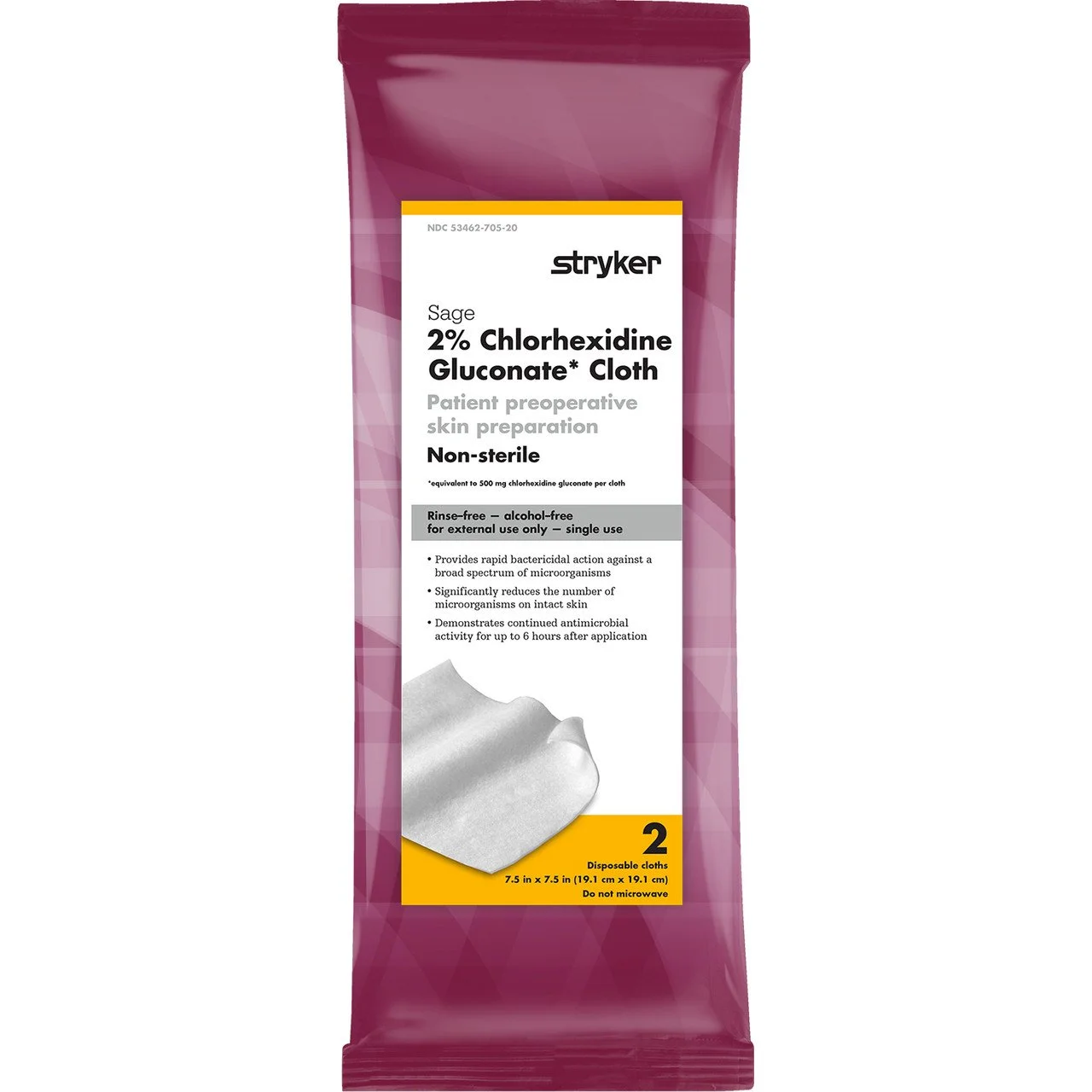
Use Chlorhexidine wipes on the morning of your surgery, after your shower.
Shower First: Take a shower with regular soap and water before using the Chlorhexidine wipes. Ensure you rinse off all the soap thoroughly as Chlorhexidine should not be mixed with regular soap.
Dry Your Skin: Pat your skin dry with a clean towel before using the wipes.
Wipe Down Surgical Area: Use the wipes to gently cleanse the area where the surgery will be performed. This typically should include the front and back of the knee as well as half way up the thigh and down the calf.
Avoid Sensitive Areas: Do not use the wipes on your face, eyes, ears, mouth, genital area, or any open wounds. The wipes can be irritating to these areas. Wash your hands after use.
After Application
Let the Skin Air Dry: Allow the area to air dry completely. Do not rinse the skin after using Chlorhexidine wipes.
Wear Clean Clothing: After using the wipes, put on clean, loose-fitting clothing. Ensure that your bed linens are also clean.
Precautions
Do Not Use on Broken Skin: Avoid using Chlorhexidine on any broken skin, open wounds, or rashes unless instructed by your doctor.
Avoid Applying Lotions or Deodorants: After using the Chlorhexidine wipes, do not apply any lotions, creams, powders, or deodorants as these can interfere with the antiseptic effect
Options For Purchasing
Chlorahexadine Wipes:
Benzoyl Peroxide Wash:

SHOULDER SURGERY
Instructions for Use:
Begin the treatment 3 days before surgery with showering. You will apply 3 times total:
3 days before surgery, 2 days before surgery, and 1 day before surgery.
Cleanse the surgical site with Benzoyl peroxide 10% wash by using solution over the operative shoulder and axilla.
Apply the solution to the shoulder and wait 3 minutes before washing away.
Do not use after surgery.
Instructions for Use
Use Chlorhexidine wipes on the morning of your surgery, after your shower.
Shower First: Take a shower with regular soap and water before using the Chlorhexidine wipes. Ensure you rinse off all the soap thoroughly as Chlorhexidine should not be mixed with regular soap.
Dry Your Skin: Pat your skin dry with a clean towel before using the wipes.
Wipe Down Surgical Area: Use the wipes to gently cleanse the area where the surgery will be performed. This typically should include the front and back of the shoulder, collar bone, shoulder blade and axilla, down the arm to the elbow and hand.
Avoid Sensitive Areas: Do not use the wipes on your face, eyes, ears, mouth, genital area, or any open wounds. The wipes can be irritating to these areas. Wash your hands after use.
After Application
Let the Skin Air Dry: Allow the area to air dry completely. Do not rinse the skin after using Chlorhexidine wipes.
Wear Clean Clothing: After using the wipes, put on clean, loose-fitting clothing. Ensure that your bed linens are also clean.
Precautions
Do Not Use on Broken Skin: Avoid using Chlorhexidine on any broken skin, open wounds, or rashes unless instructed by your doctor.
Avoid Applying Lotions or Deodorants: After using the Chlorhexidine wipes, do not apply any lotions, creams, powders, or deodorants as these can interfere with the antiseptic effect.
Preoperative Medication Guidelines
Disclaimer: This list is not intended to be exhaustive. It provides general guidelines for common medications that may need to be held before elective surgery. Always discuss your full medication list (including prescriptions, over-the-counter drugs, vitamins, and supplements) with our surgical team or your prescribing provider for individualized recommendations. Do not stop any prescribed medication without guidance from the appropriate clinician.
Weight Loss Medications
Phentermine: Hold 1 week prior to surgery (preferred 2 weeks).
GLP-1 Receptor Agonists: Please stop 2 weeks prior to surgery.
Examples: semaglutide (Ozempic, Wegovy), tirzepatide (Mounjaro, Zepbound), liraglutide (Victoza, Saxenda), dulaglutide (Trulicity), exenatide (Byetta/Bydureon), and others.
Cardiovascular Medications
All cardiovascular medications should be discussed with prescribing provider/cardiologist prior to surgery to have an appropriate plan in place. Below is general guidelines that are typically followed.
ACE Inhibitors: Hold 24 hours prior to surgery.
Examples: lisinopril, enalapril, quinapril, captopril, ramipril, etc.Angiotensin Receptor Blockers (ARBs): Hold 24 hours prior to surgery.
Examples: losartan, irbesartan, candesartan, olmesartan, valsartan, telmisartan, etc.Diuretics: Hold the morning of surgery.
Examples: hydrochlorothiazide (HCTZ), chlorthalidone, indapamide, furosemide, spironolactone, etc.Vasodilators: Hold 24 hours prior to surgery.
Examples: hydralazine, minoxidil, tadalafil (Cialis), sildenafil (Viagra).Anti-arrhythmic medications: Take as scheduled (e.g., digoxin).
Calcium channel blockers: Take as scheduled.
Examples: verapamil, diltiazem, nifedipine, amlodipine (Norvasc), felodipine.Beta blockers: Take as scheduled.
Examples: metoprolol, atenolol, propranolol.Alpha and beta blockers: Take as scheduled.
Examples: labetalol, carvedilol (Coreg).Nitrates: Take as scheduled/needed (e.g., isosorbide).
Anti-anginal (non-nitrates): Take as scheduled (e.g., ranolazine/Ranexa).
Pentoxifylline: Refer to cardiologist’s recommendations.
Anticoagulants (Blood Thinners)
Consult your cardiologist and/or surgeon.
Preferred guidelines:
Aspirin: Stop 7 days prior to surgery.
Rivaroxaban (Xarelto) / Apixaban (Eliquis): Stop 3–5 days prior to surgery.
Clopidogrel (Plavix): Stop 5 days prior to surgery.
Warfarin (Coumadin): Stop 5 days prior to surgery. Please consult your cardiologist or hematologist if a Lovenox bridge is required.
Diabetic Medications
Oral antidiabetic medications: Hold the morning of surgery.
Examples: metformin, glimepiride, glipizide, glyburide.Insulin: Hold the morning of surgery/
Long-acting insulin: Take ½ dose the night prior to surgery.
SGLT2 inhibitors (e.g., empagliflozin/Jardiance): Hold 72 hours prior to surgery.
Pain Medications
Anti-inflammatory medications (NSAIDs): Stop 7–10 days prior to surgery.
Examples: ibuprofen (Advil, Motrin), naproxen (Aleve), celecoxib (Celebrex), diclofenac (Voltaren), meloxicam (Mobic), and others.Acetaminophen (Tylenol): OK to continue as needed prior to surgery. This is the preferred over the counter option for pain control once NSAIDs are stopped.
Narcotic pain medications / opioids: Please consult your prescribing pain management provider or primary care provider prior to surgery.
It is preferred that you be weaned off these medications as soon as possible before surgery to optimize their effectiveness for postoperative pain management.
Gout Medications
Colchicine: Hold the morning of surgery.
Allopurinol: OK to continue.
Psychiatric Medications
ADHD medications: Hold the morning of surgery.
Examples: Adderall, Vyvanse, Dexedrine, Strattera, Focalin, Ritalin, Concerta, methylphenidate, amphetamines, etc.Lithium: Hold 48 hours prior to surgery (or consult anesthesia).
MAOIs: Consult surgeon and anesthesiologist.
Examples: isocarboxazid (Marplan), phenelzine (Nardil), selegiline (Emsam), tranylcypromine (Parnate).Narcolepsy medications: Hold the morning of surgery.
Opioid antagonists: Consult with your pain management provider.
Oral medications: Hold 3 days prior to surgery.
Intramuscular injection forms: Hold 25 days prior to surgery.
Patch forms: Hold 24 hours prior to surgery.
Examples: naltrexone (Revia, Vivitrol), buprenorphine, etc.
Marijuana
Hold the morning of surgery.
Preferred to discontinue as early as possible prior to your surgery.
Please notify your anesthesiologist of any usage.
Over-the-Counter Supplements
Please hold 2 weeks prior to surgery.
OK to continue Vitamin D and calcium supplements if they are not part of a multivitamin.
Supplements to hold for bleeding risk due to antiplatelet/anticoagulant effects. (hold 2 weeks unless noted)
Aloe, arnica, black tea extract, boldo, bromelain, cat’s claw, danshen, devil’s claw, dong quai, evodia, fenugreek, feverfew, garlic, ginger, ginkgo, ginseng (American, panax, Siberian), guarana, horse chestnut, policosanol, resveratrol, saw palmetto, tumeric, vanadium, and vitamin E.
Chondroitin and Glucosamine - only hold for 48 hours
Supplements to hold for drug-interaction or CNS effects
St. John’s wort - hold 2 weeks
Echinacea, grapefruit extract - notify surgical team if taking routinely
Kava, valerian, skullcap, yohimbine - notify surgical team if routinely taking
Oral Contraceptive Medications/Hormone Replacement
Includes Estrogen/Progresterone/Testosterone Therapies
Recommend stopping oral contraceptives prior to surgery if possible.
OK to continue the use of oral contraceptives, but please discuss options to prevent clots after surgery with our team
DMARDs/Biologics
Continue non-biologic DMARDs (methotrexate, hydroxychloroquine, sulfasalazine, leflunomide, apremilast).
Hold most biologics for one dosing cycle (surgery near the end of the cycle).
Coordinate with your rheumatologist.
Peptides
Please disclose to your surgical team if you are utilizing or plan to utilize peptides by oral and or injectible method
Peptides utilized for Weight Loss which include but are not limited to GLP-1/GLPs/GIP incretin agonists (semaglutide, tirzepatide, liraglutide) do pose risks at the time of surgery and need to be stopped 2 weeks prior to surgery.
Contamination and mislabeling from non-FDA sources is a real and documented danger.
Reminder
Bring a complete, up-to-date list of all medications and supplements (or the bottles themselves) to your preoperative visit. Contact our office well in advance of surgery if you have any questions.
Disclaimer
The above list is not exhaustive and not a substitute for individualized recommendations from our team or your prescribing providers.
While efforts will be made to routinely update this list, it is subject to change. Additionally, guidelines for which these recommendations are based upon are also subject to change. Please be sure to review medications directly with our team prior to surgery and/or your prescribing providers.
For individuals not a part of my medical practice this Information is general and educational only, not medical advice. Please refer to your surgical team and their recommendations for your care.
Frequently Asked Questions
-
Each type of surgery is different, as is each person's specific health, so everyone may need to start preparing at varying times for surgery. Preparing for surgery also depends on how far out your procedure is from the time of booking.
For example, you may have a procedure booked for several months from now, so you may only need to do something in the month of the surgery. Or you may need a procedure within the next few weeks, so you should start preparing immediately.
Prepare your home and health when you schedule the procedure. It's essential to be as healthy as possible before undergoing surgery, so quit smoking, lose weight, and take care of any illnesses before the big day.
-
You will receive a phone call the day before surgery confirming your arrival time. If you do not hear from the surgery center or office by 3 pm the day before surgery, please call them directly at the number listed above.
-
Photo ID
Insurance Card
Friend or family member who will be available the entire time and take you home after surgery
List of medications and medical history
Wear comfortable, loose fitting clothing
Shoulder/elbow surgery: zip-up or button down shirt
Knee surgery: loose fitting pants or shorts
**Leave jewelry, money and valuables at home.
Additional items to consider:
Glasses case
Contact or denture case
CPAP Machine if history of sleep apnea
-
Do not eat or drink anything after midnight/12am the day of surgery
Arrange for a family member or friend to accompany you to the surgery center the day of your surgery.
Plan ahead for transportation home or to your hotel the day of your surgery by a designated adult (family or friend preferred). You cannot leave in a taxi, Uber, or Lyft.
Remember to adjust your work/social schedule accordingly during your anticipated recovery time. We typically recommend taking a minimum of 1-2 days off work after surgery.
While taking narcotic pain medication, you will not be permitted to drive. You may need to arrange for transportation to your initial follow-up visit.
Most patients follow up 10-14 days postoperatively. These visits are usually with the PAs
You should schedule PT to start after surgery unless instructed otherwise. Most knee surgeries will start within 2-3 days of surgery. Shoulder surgeries should start 10-14 days unless instructed otherwise.
-
Wear loose, casual, comfortable clothing to fit over dressings.
Shoulder/elbow surgery: zip-up or button down shirt
Knee surgery: loose fitting pants or shorts
Notice to Patients
In compliance with requirements of Arizona State law, you are being advised that some of the physicians at OrthoArizona have a direct financial interest in the diagnostic or treatment agency or in the non-routine goods or services named below. Further, as indicated below, goods or services that OrthoArizona physicians may/have prescribed are available elsewhere on a competitive basis.
Diagnostic, treatment agency or non-routine goods and services that some OrthoArizona physicians have direct financial interest:
· Arizona Spine and Joint Hospital
· Dignity Health - Arizona Specialty Hospital
· Gateway Surgery Center
· Metro Surgery Center
· North Valley Surgery Center
· OrthoArizona Scottsdale Surgery Center
· OrthoArizona South Gilbert Surgery Center
· OrthoArizona Glendale Surgery Center
· SurgCenter Camelback and SurgCenter Gilbert
· Surgery Specialty Hospital of Arizona
· The Orthopedic Surgery Center of Arizona (TOSCA)
· Banner Desert Vista Surgery Center
SOME of the alternate health care facilities available to patients are listed below, however, based on a patient’s insurance and personal preference, there may be other options. Physicians may not be credentialed at all facilities:
· Banner Medical Services
· Abrazo Health Medical Services
· HonorHealth Medical Services
· Dignity Health Medical Services
· Phoenix Children’s Hospital
Some of the links in the pages and posts of this website are “affiliate links.” This means if you click on the link and purchase the item I will receive an affiliate commission. Please visit the Disclaimer & Privacy Policy Section for more details. Products are intended as examples only to give example options. I do not endorse any of these specific brands over other options and encourage you to do your own research.
Information provided on this page is informational and is not intended to be a substitute for medical advice. Please consult with your physician for information regarding your specific condition